Stage Antics and Self-Reckoning
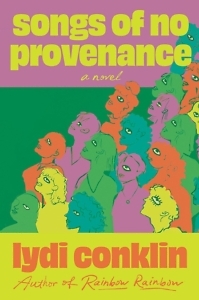
Lydi Conklin’s Songs of No Provenance sets empathy alongside shame, showing us how to root for every version of its protagonist.
Lydi Conklin’s Songs of No Provenance sets empathy alongside shame, showing us how to root for every version of its protagonist.
In three recent poetry collections — Stephanie Niu’s I Would Define the Sun, Richard Tillinghast’s Night Train to Memphis, and Abby N. Lewis’ Aquakineticist — the nonhuman world offers potent spaces which alchemize human memory and reflection.

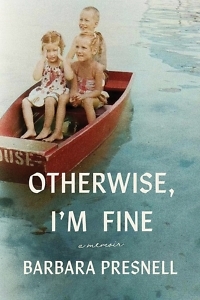
For Barbara Presnell, the loss of her father at age 14 would lead to a decades-long period of repressed mourning, resulting in depression and estrangement from her family. Her memoir, Otherwise, I’m Fine, recounts the pain of that time and how retracing her father’s steps during World War II brought her peace and a renewed relationship with her family.
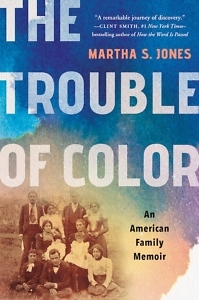
In The Trouble of Color, Martha S. Jones interrogates how her Kentucky ancestors negotiated the “color line” and what it has meant in her own life.
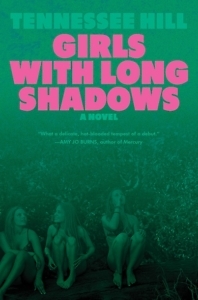
In her debut novel, Girls with Long Shadows, Tennessee Hill follows the identical Binderup triplets — Baby A, Baby B, and Baby C — as adulthood and community attitudes intrude on their deep bond.
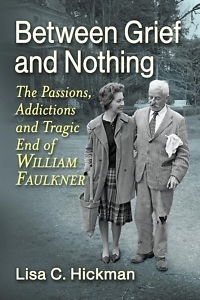
The William Faulkner we meet in Lisa C. Hickman’s Between Grief and Nothing could have been one of his own doom-struck characters.