A Fool’s Game?
Susannah Felts’ The Come Apart depicts a musician facing a creative and spiritual crossroads
In her sophomore novel, The Come Apart, Susannah Felts — an influential member of Nashville’s writing community and cofounder of The Porch — explores the paradoxes of pursuing a life in the arts. The book’s protagonist is Maggie Corbin, a singer-songwriter facing a creative and spiritual crossroads: Is a career in music worth the heartache? While musicians, especially in Nashville, will find the details of Maggie’s story uncannily familiar, all readers will identify with her odyssey through grief, change, and the uncertainty of early adulthood.
The Come Apart shifts between two storylines. Half the chapters slowly color in the decade Maggie spent navigating the indie music scene in the early 2000s, both in Chicago and on the road. In these sections, we watch through Maggie’s eyes as streaming transforms the music industry and gentrification transforms Chicago. The other chapters take place in Nashville in 2010. Maggie has returned to her hometown and is now existing in a state of self-imposed hibernation, grappling with how she’s gotten to where she is and where she wants to go next. Should she return to her band? Should she even be a musician at all?
Maggie’s unexpected homecoming was brought about by the sudden death of her father — who had never supported her career in the arts — and her own growing ambivalence toward being a professional musician. In one sense, Maggie’s fraught relationship with the music industry is a product of the time and evolving technology, a dilemma faced today by both artists and society as a whole. “Talking about it lately had become less an exercise in bewildered anxiety — what will streaming do to our world? — and more a Groundhog Day scene from inside the belly of the beast,” Felts writes. These questions will make readers in 2026 think, If only they knew.
In another sense, the questions Maggie wrestles with are age-old and universal: Is it enough to make art for the sake of self-expression, or is external recognition what endows art (and life) with meaning? “It seemed more and more difficult with every increasingly digitized year to be heard at all, much less remembered,” Felts writes. “Was it a fool’s game to spend years making music that would never be heard by new ears?”
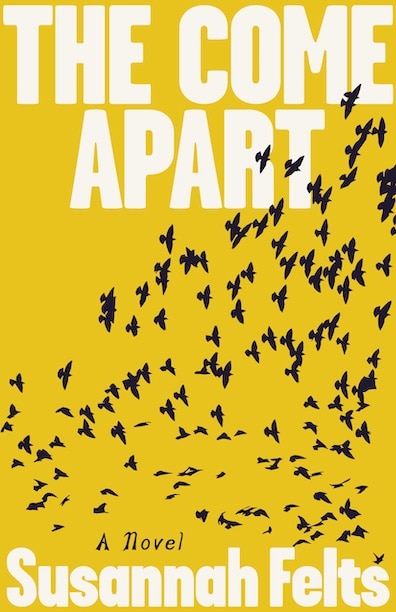 Despite Maggie’s complicated feelings, The Come Apart remains an ode to life in the music community, the novel teeming with vivid depictions of jam sessions and gigs and reminders of the first time your dad played you his favorite record. It also provides a window into the music-making process. Even after Maggie quits the band, she processes her feelings through songwriting, and her ideas for lyrics are woven throughout the novel.
For example, after Maggie’s father passes, she resents that everyone is treating her differently, and she can’t help but alchemize this feeling into art: “What kind of terrible person could not accept kindness? Only a terrible creature. Terrible creature, terrible creature / Wouldn’t you like to meet her, what might you like to teach her.” Through moments such as these, Felts portrays songwriting not as a discrete activity, but a never-ending process, a way of life.
At its core, The Come Apart is a novel about change. Maggie witnesses seasons come and go, floodwaters rise and fall. Beloved restaurants close, relationships end, loved ones pass away. Inevitably, in the face of all this change, dreams evolve. But this is almost impossible to accept when you have made your dreams your entire identity — often at the expense of stability, peace of mind, and connections.
But as Maggie learns, just because dreams change doesn’t mean they’ve disappeared. “What if she didn’t write for a band anymore, or to carve a stairway out of air, a stairway to who knows where?” Felts writes. “What if the new songs were just for her? If only to see the pen move and the shapes form and the notes vibrate. To feel the notes in her body and the strings against her fingers.”
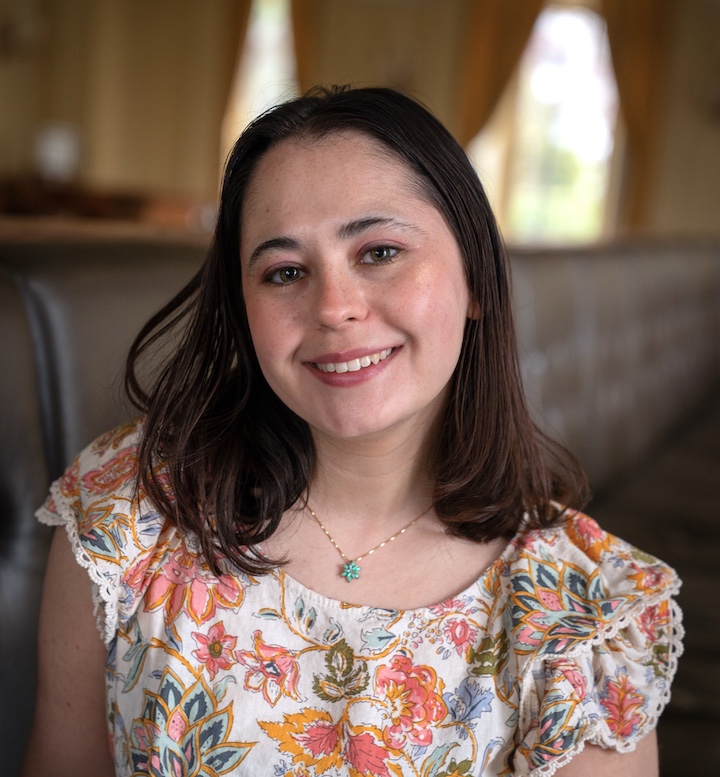
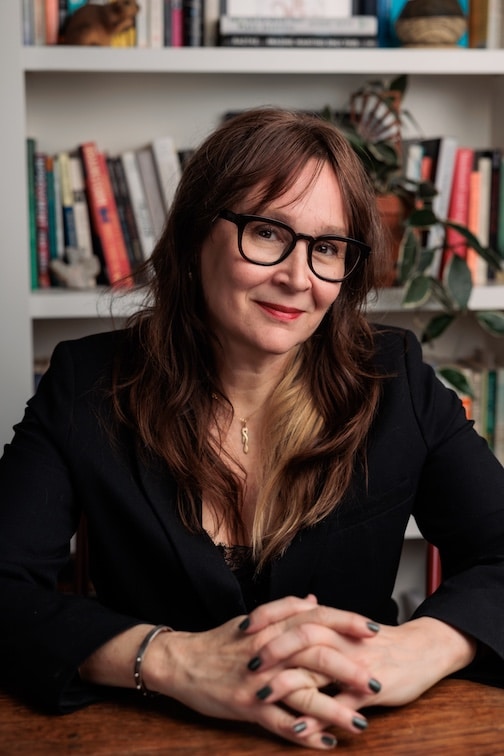
Bianca Sass, a Nashville native, is a published poet, playwright, and essayist. Her plays have been performed in Nashville; Amherst, Massachusetts; and Newburgh, New York. She is currently a Ph.D. student in sociology at the University of Indiana.