Confronting Stereotypes
Mary Robinette Kowal’s The Martian Contingency is a thoughtful sci-fi romp
Mary Robinette Kowal’s Lady Astronaut Universe books are very different from classic masculine-centric science fiction like Ray Bradbury’s The Martian Chronicles. Instead of a lone male hero, Kowal’s alternative history series embraces women’s perspectives and shows that collective action and cooperation are essential to successful space travel.

Kowal’s fourth and latest book in the Lady Astronaut series, The Martian Contingency, leans into a feminism that embraces multiculturalism, antiracism, and disability theory, all while still feeling like a well-researched sci-fi romp. Although the prose is more detailed than lyrical, the book remains captivating, confronting historical stereotypes in both playful and serious ways.
The first book in the series, The Calculating Stars, opens in the 1950s, after a meteorite destroys Washington, D.C., triggering cataclysmic climate change. Elma York becomes a human calculator for an aerospace coalition that’s attempting to save humanity through space exploration and settlement. She eventually becomes the face of space travel, a lady astronaut who loves to bake as well as explore the stars, inspiring women across Earth to follow in her footsteps.
The Martian Contingency takes place in the 1970s. Elma, now in her late 40s, has been placed in a command position on the second expedition to Mars, with the goal of making the planet hospitable for future inhabitants. The book opens with an announcement: Duke Ellington has been commissioned to create an original composition to honor humanity’s return to Mars. Similar documents, most of them fictional, appear before each chapter, adding a sense of urgency with reports of natural disasters and political instability. The Mars habitat is clearly vital for humanity’s future, and all eyes are turned to Elma’s expedition, hoping for success.
The second Mars crew hails from countries all over Earth, each with their own cultures and holidays, which Elma, who is Jewish, attempts to accommodate while also grappling with her own unconscious biases. Celebrations like Eid, Lunar New Year, and Purim are interrupted by space emergencies. In one of my favorite scenes from the book, astronauts search the ship for Easter eggs and excitedly show Elma their finds through windows while she’s on a spacewalk to scavenge parts for a new HVAC unit.
 Elma does her best to learn from her mistakes and embrace the crew’s multiculturalism as they turn Mars into a new home. Her command style centers on her ability to listen and empathize with other perspectives. When a Native American crew member pushes back against calling the Mars habitation a colony, she’s at first confused. What’s wrong with the word colony? But after listening to other crew members and their feedback, she realizes the importance of changing the name and advocates for it, even as it puts her own leadership at risk.
Despite her emphasis on open communication, it’s clear some crew members from the first Mars expedition are hiding things, details that don’t appear in previous mission reports. At first, Elma lets these details slide, but as the second expedition becomes imperiled, putting people’s lives at risk, she demands answers. Meanwhile, an unwanted pregnancy threatens to destabilize power dynamics, and the threat of possible anti-space terrorists sabotaging the mission looms large.
If you haven’t read this series yet, now’s a great time to start, with four completed books and several short stories to explore. The series is both charming and fascinating, grounded in interpersonal relationships and power dynamics.
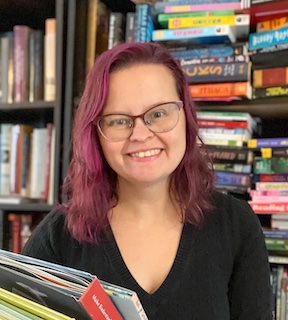
Margaret Kingsbury is the “Hey Nashville” newsletter writer for City Cast Nashville. Her book reviews have been published in Book Riot, BuzzFeed News, StarTrek.com, School Library Journal, IGN, and more. Her debut picture book, A Breath Between Leaves, will be published in 2027 from Groundwood Books. You can find her on Instagram @BabyLibrarians.